

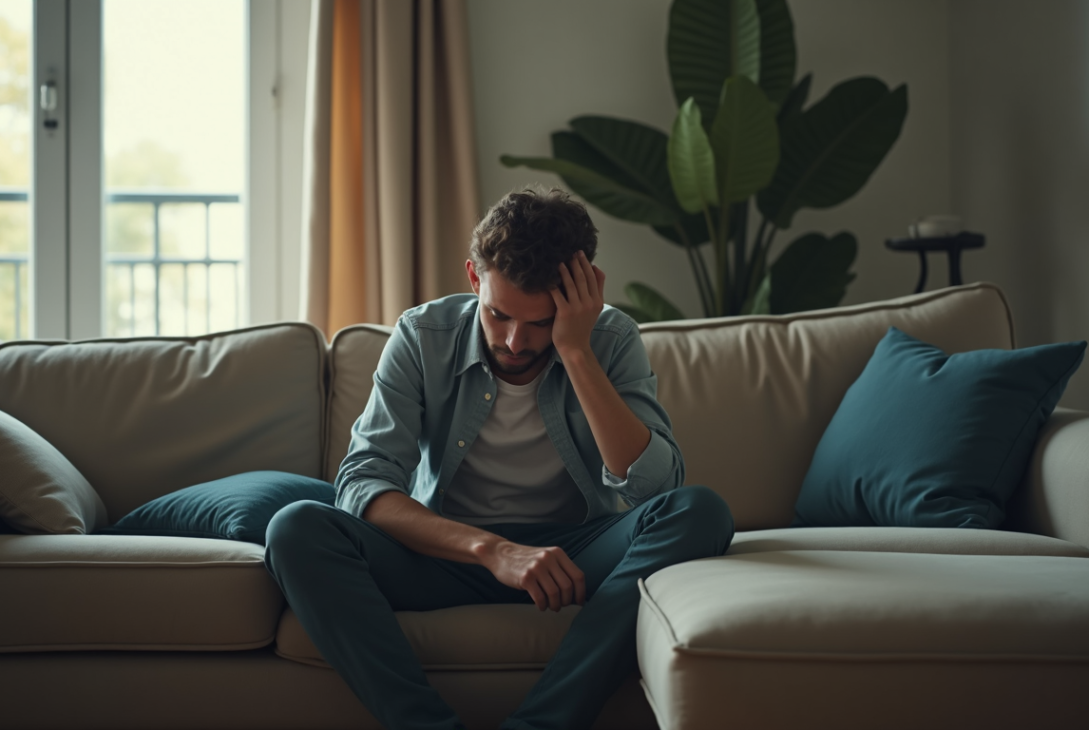
You finally get time to relax.
You sit down.
You try to slow down.
There’s nothing urgent to do.
But instead of feeling calm, something feels off.
Your body feels slightly uncomfortable.
Your mind doesn’t settle.
You feel the urge to get up, check something, or do anything else.
It’s not stress in the usual sense.
It’s restlessness.
And it can be frustrating.
If you’re trying to relax, why does your mind and body resist it?
Restlessness Is a Sign Your System Is Still Active
Relaxation isn’t just about stopping activity.
It’s about your nervous system shifting into a calm state.
If your system is still slightly activated, your body won’t fully relax.
Even if:
- Your environment is calm
- Your schedule is free
- nothing is demanding your attention
Your internal state matters more than external conditions.

Why Your Brain Resists Slowing Down
Your brain is used to being active.
All day, it:
- processes information
- solves problems
- reacts to inputs
When you suddenly stop, the brain doesn’t instantly switch off.
Instead, it asks:
👉 “What should I do now?”
This creates internal movement, which feels like restlessness.
The Hidden Role of Overthinking
Restlessness is often connected to overthinking.
Even if you’re not consciously thinking hard, your brain may still be processing things in the background.
This can include:
- conversations
- decisions
- unfinished tasks
If your mind tends to loop through thoughts, you may recognize this pattern:
Why Your Brain Replays Conversations (And How To Stop It)
That same mental activity can prevent relaxation.
Why Your Body Feels Like It Needs to “Do Something”
Restlessness is not just mental.
It’s physical.
Your body may feel like:
- shifting position
- checking your phone
- getting up repeatedly
This happens because your body is still in a mild state of alert.
It hasn’t received the signal that it’s safe to relax.
The Connection to Anxiety
Restlessness is often a subtle form of anxiety.
Not intense anxiety.
But background activation.
If you’ve ever felt uneasy without knowing why, this connects closely to:
Why Anxiety Appears Even When Nothing Is Wrong
Your system is reacting — even without a clear trigger.
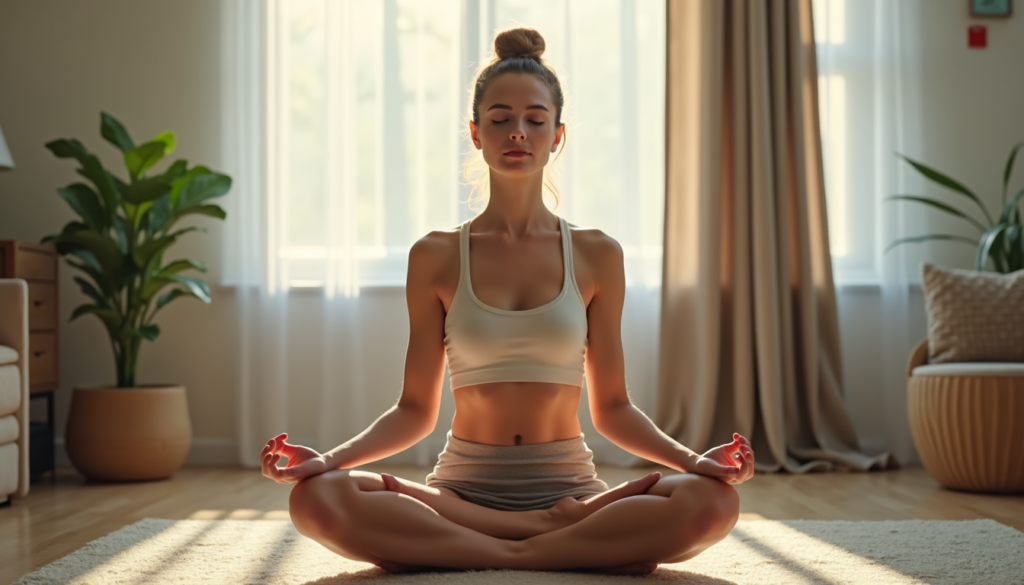
How to Reduce Restlessness and Feel Calm Again
You don’t need to force relaxation.
You need to guide your system into it.
1. Transition Into Relaxation (Don’t Jump Into It)
Instead of going from busy → still
Do:
- slow down gradually
- dim lights
- reduce stimulation
This helps your brain shift modes.
2. Give Your Mind a Place to Go
Trying to “do nothing” often backfires.
Instead:
- read something light
- Listen to calm audio
- journal briefly
This gives your mind a gentle direction.
3. Use Your Breath to Calm Your System
Your breath is your fastest tool.
Try:
- Inhale 4 seconds
- exhale 6 seconds
Long exhales signal safety.
4. Accept the Restlessness (Don’t Fight It)
The more you resist it, the stronger it feels.
Instead:
👉 notice it
👉 allow it
👉 stay with it
It usually fades on its own.
Final Thoughts
Restlessness during relaxation doesn’t mean you’re doing something wrong.
It means your system hasn’t fully slowed down yet.
With the right habits, your mind and body can learn to shift into calm more naturally.
Relaxation is not something you force.
It’s something your system learns.